
Google Business Profile and the dental website should be the same practice
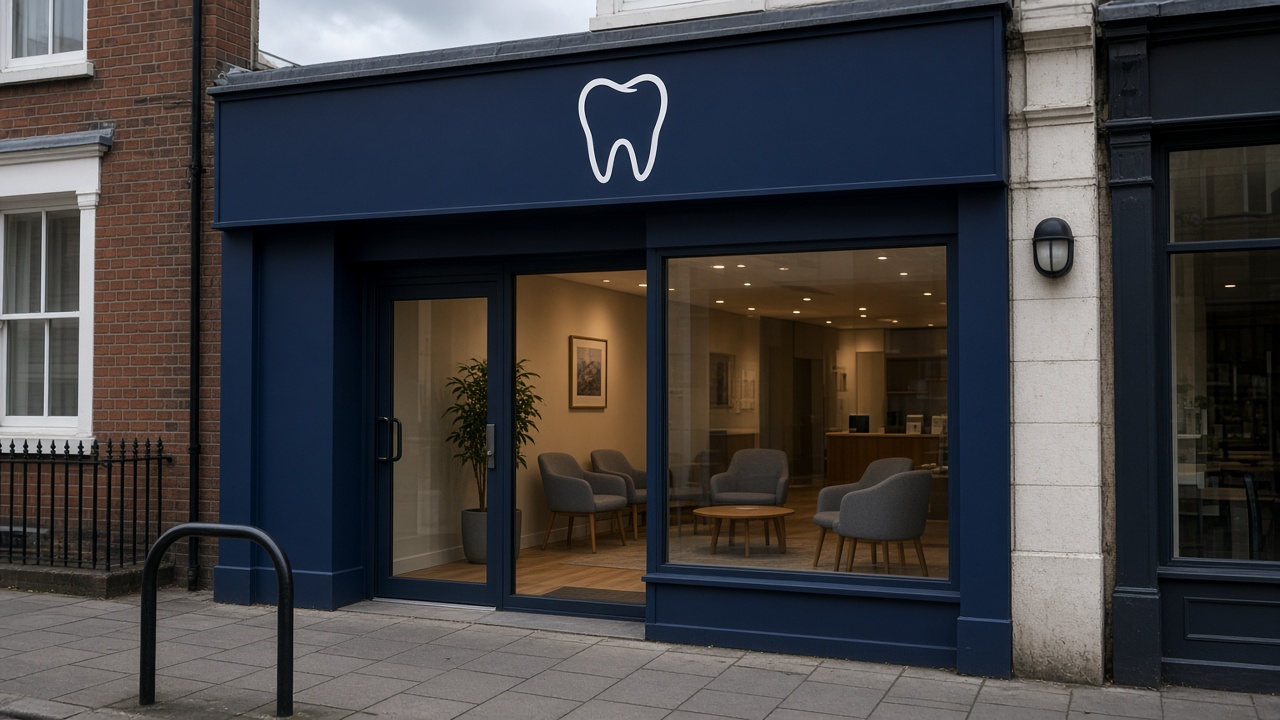
A surprising number of UK clinics still treat Google Business Profile as a listing the agency “set up in 2019” and the website as a separate brochure. Patients do not experience them separately. They see the hours on Maps, tap the site, and decide whether you are the same organisation. When those two surfaces disagree, they believe Maps and they bounce.
Make the facts identical
Name, address, phone, opening hours, and whether you are accepting patients should be copied from one internal source of truth. If Wednesday closes at 14:00 for a study club, both places say so. Emergency wording should match. If the site says “private only” and the profile still says “NHS & private”, you will spend reception time arguing with the internet.
Categories matter. Primary category should be the thing you are. Secondary categories can carry implants or cosmetic, but stuffing every dental specialism is how you look generic and how Google gets confused about which query you deserve.
The website URL is not a footer detail
Link the profile to the page that helps that searcher. A group should not send every Maps pin to the corporate homepage if a location page exists. A squat that is not yet open should not send people to a “book now” that 404s. UTM-tag the website button if you want to see Maps as a source; then make sure the booking or enquiry on that landing page is the one you meant.
Reviews, photos and the site gallery
Reply to reviews in the same voice as the site, and do not invent clinical promises in a public reply. Photographs on the profile should be the building, the team and the rooms patients will actually walk into. Not a stock atrium in another country. If the website gallery is all chair-side macro and the profile is a dark shopfront from 2017, you have two brands.
Posts are not a blog
GBP posts die quickly. Use them for true operational news: taking NHS lists, a Saturday implant clinic, a temporary closure. Put the lasting explanation on the website. The profile can point. It should not be where you hide the fees page you were too nervous to publish.
Products, services and the services you do not offer
GBP lets you list services and even products. Use them to match the website’s actual menu. If you stopped offering NHS dentures, remove them. If you only place implants on one site in a group, do not let every pin advertise them. Inconsistency here is how you win the wrong click and lose an hour of reception time. The website service pages should use the same nouns. “Dental implants” on Maps and “tooth replacement solutions” on the site is how two algorithms decide you are vague.
Q&A, messages and the unattended inbox
Turn off messaging if nobody owns it. An unread Google message is a public record of neglect. If you leave it on, the same SLA as the website form applies: same working day, tagged, in the CRM. The Q&A section will attract competitors and patients with clinical questions you should not answer in public. Seed a few operational answers yourself (parking, new patients, emergency) and report the rest.
When you post a photo of the new chair, add it to the website too, or do not bother. The point is one practice, two doors. If the doors disagree, patients will pick the one that looks more recently inhabited, and that is usually Maps.
Appointments button versus your real book
Google will offer to take bookings. If that button does not hit the same diary as the website, turn it off or configure it properly. Two books are worse than a phone number. Patients will use whichever UI appeared first and you will spend a morning reconciling. The website and the profile should share one booking brain, even if one of them only deep-links into it.
The same is true of the phone number. A tracking number is fine if it always rings the practice and if you still publish a stable number a human can remember. A tracking number that dies when the ads account pauses is how emergency callers reach a dead tone. Put the real number on the site. Use tracking where you can afford the failure.
Assign an owner. Not “the agency”. A named person in the practice who can change hours on a snow day before the website person wakes up. Give them login, 2FA and a two-line checklist: hours, holiday close, a photo of the door. The website can follow later the same day. Maps is the door patients believe when the weather turns.